skip to main |
skip to sidebar
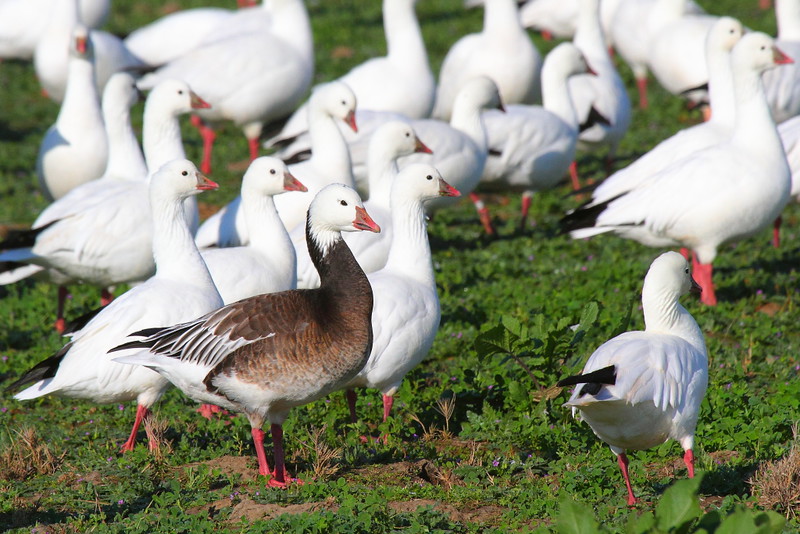 Figure 1. Ross's geese, Merced National Wildlife Refuge.
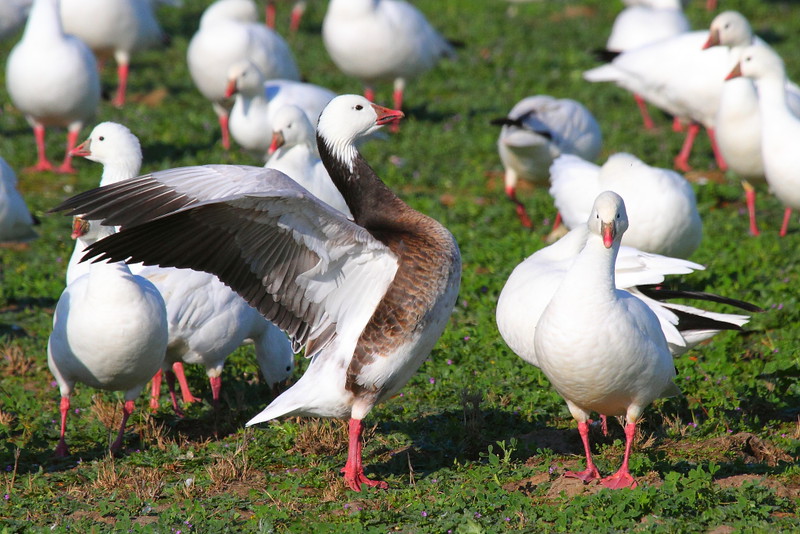 Figure 2. Another shot of the blue morph Ross's goose.
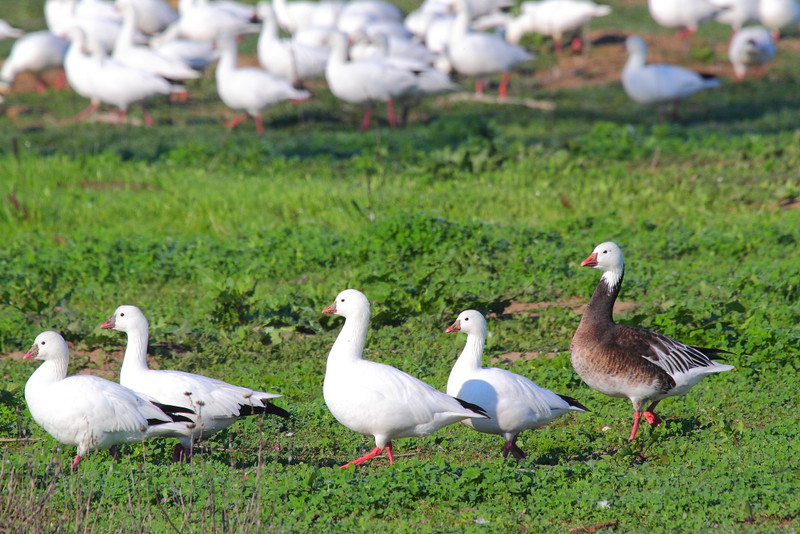 Figure 3. Still another view of this blue morph Ross's goose.
Snow geese are a common sight in California, Central Valley to be specific, in winter. With very similar appearance, Ross's geese also winter in the same place. Among all places, Merced National Wildlife Refuge is the best place to see Ross's geese. In my experience, late winter such as February and March is the best time.
Figure 3. Still another view of this blue morph Ross's goose.
Snow geese are a common sight in California, Central Valley to be specific, in winter. With very similar appearance, Ross's geese also winter in the same place. Among all places, Merced National Wildlife Refuge is the best place to see Ross's geese. In my experience, late winter such as February and March is the best time.
Both snow and Ross's geese are white with black tips at the wings. However, some are with blue morph. Blue morph snow geese are more common and I've seen them in places such as Sacramento and Bosque del Apache National Wildlife Refuges. Blue morph Ross's geese are rare and were confirmed rather late than the counterpart of snow geese.
During the President Day weekend, I made a trip to Merced National Wildlife Refuge. Luckily I saw a blue morph Ross's goose up close. This may not be my first time seeing a blue morph Ross's goose. It was farther and difficult to confirm if it's a blue morph snow goose or Ross's goose.
People thought blue morph Ross's geese a hybrid between snow and Ross's geese. From the pictures I took, it seems that way. The light black area at beak seems to have features from both snow geese and Ross's geese.
If you want to see and confirm this rare blue morph version of a Ross's goose on the field, I highly recommend to make trips to Merced National Wildlife Refuge.
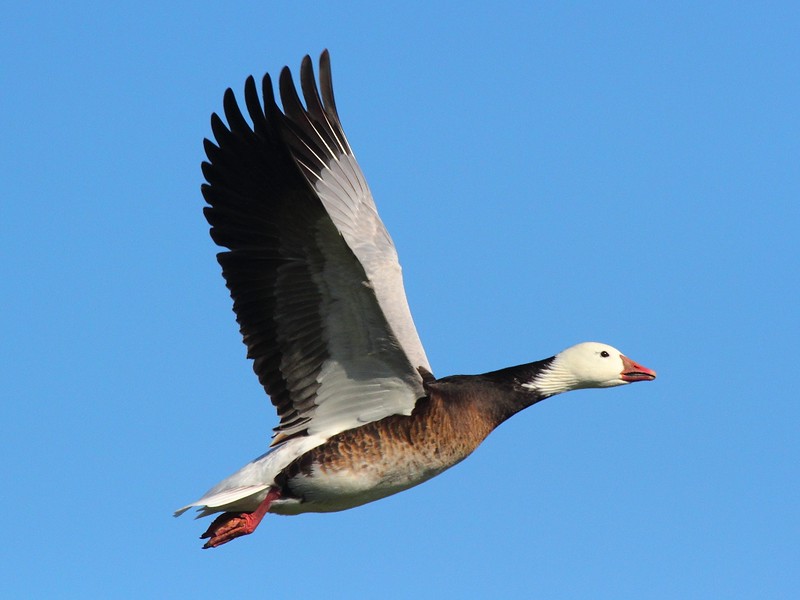 Figure 4. Blue morph Ross's goose in flight.
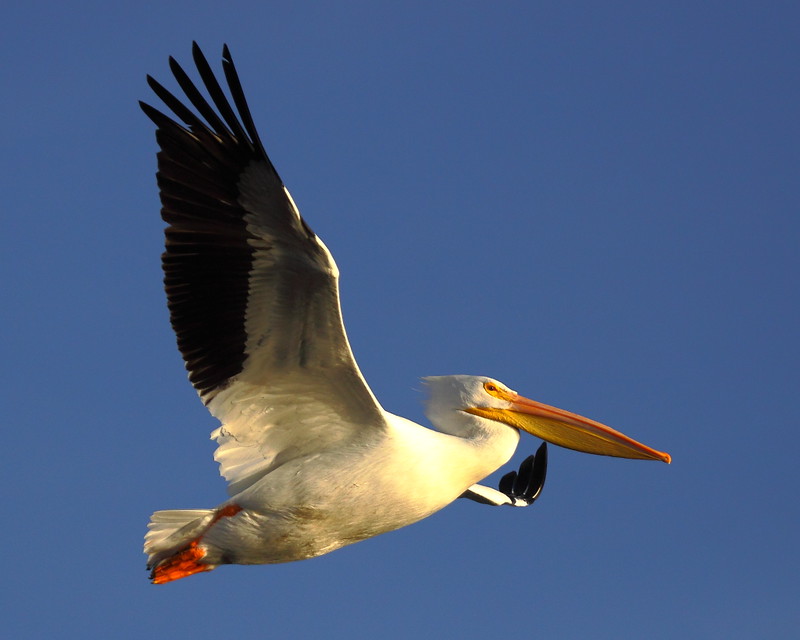 Figure 1. American White Pelican, Don Edwards San Francisco Bay National Wildlife Refuge.
I still remember my first time seeing this bird in Grand Teton National Park. They were riding the thermals and flying higher and higher and gone. I also saw them in Oxbow Bend Turnout and Heron Pond in this park. The distance is far and I was not able to take a closer look.
Figure 1. American White Pelican, Don Edwards San Francisco Bay National Wildlife Refuge.
I still remember my first time seeing this bird in Grand Teton National Park. They were riding the thermals and flying higher and higher and gone. I also saw them in Oxbow Bend Turnout and Heron Pond in this park. The distance is far and I was not able to take a closer look.
Fortunately, I found they were quite abundant in Bay Area when I lived there. Don Edwards San Francisco Bay National Wildlife Refuge in Alviso is one great place to see them in closer distance. I was so glad to see a lot of them there and that's why I went to this refuge so often. They are usually in a flock and do things together. Although they are kind of habituated to human, they still try to keep a distance even in the air. Most of the time you can get a picture of couple pelicans flying and floating. I've been here a lot and I've got some good opportunities with good lighting to take a good solo close-up of it.
I've left Bay Area and lived in San Diego now. I know I can find them in Sonny Bono Salton Sea National Sea National Wildlife Refuge, especially in winter. It is not a 10-minute drive like before, but I am sure to go there and find them.
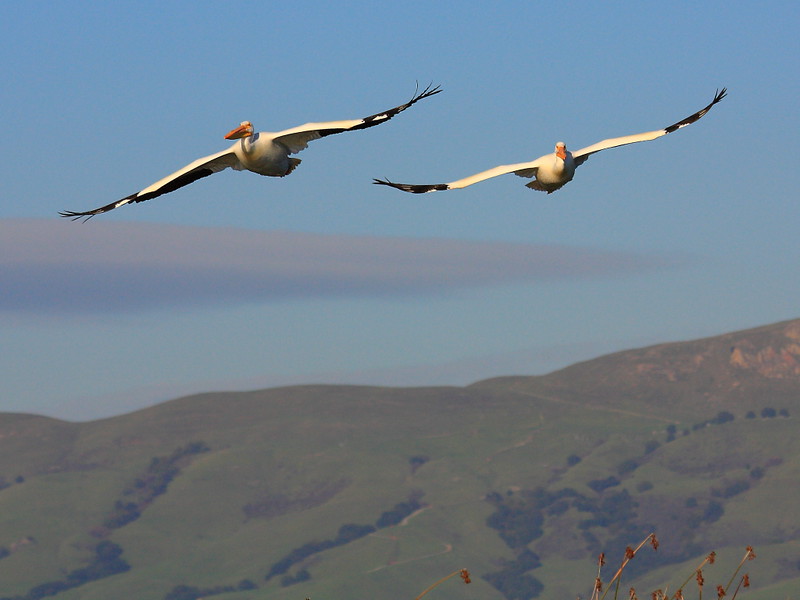 Figure 2. American White Pelican Incoming.
 Figure 1. Sandhill Cranes, Bosque del Apache National Wildlife Refuge, NM.
Sandhill cranes are one of migratory birds commonly seen in US. They migrate to southern states like California, Arizona, and New Mexico in winter.
Figure 1. Sandhill Cranes, Bosque del Apache National Wildlife Refuge, NM.
Sandhill cranes are one of migratory birds commonly seen in US. They migrate to southern states like California, Arizona, and New Mexico in winter.
Bosque del Apache National Wildlife Refuge in New Mexico is the mecca for sandhill crane watchers and photographers. The habitat is restored after the work of decades and that's why population of sandhill cranes come here again. Snow geese are also very common here. Even I don't consider myself birder, I am thrilled by what I see and hear when I came here first time. Flocks by flocks of cranes just take off, fly over and land in close range. Usually you can hear their vocal sound when they approach. Although this is not my first time seeing a sandhill crane, this is the most impressing. More importantly, I become more interested in watching and doing bird photograph.
The experience in Bosque del Apache changes my thought about bird watching. Later I try to seek them in other places such as Monte Vista National Wildlife Refuge in Colorado, Merced National Wildlife Refuge and Modoc National Wildlife Refuge in California. For me, it's always fun to see these birds.
I miss Bosque del Apache. Wish I can make a trip there in this coming winter.
 Figure 2. Sandhill Cranes at Sunset.
 Figure 1. Snow Geese, Tule Lake National Wildlife Refuge, CA.
It is kind of unexpected for me to photography birds. I bought a used Canon 100-400mm lens from eBay in 2009 primarily for large mammals in places like Yellowstone National Park. At that time, I didn't expect to use this lens a lot. After all, I live far away from that kind of places. There is no way for me to go there often. Since I wouldn't use it often, a used lens should be good enough.
Figure 1. Snow Geese, Tule Lake National Wildlife Refuge, CA.
It is kind of unexpected for me to photography birds. I bought a used Canon 100-400mm lens from eBay in 2009 primarily for large mammals in places like Yellowstone National Park. At that time, I didn't expect to use this lens a lot. After all, I live far away from that kind of places. There is no way for me to go there often. Since I wouldn't use it often, a used lens should be good enough.
Sometimes lens finds a way. I knew there are people out there shooting birds. So I thought why not give it a try? Don Edwards San Francisco Bay National Wildlife Refuge is just a short drive from where I live. That's where I start to shoot birds. From later on, I went other places, too.
To me, migratory birds are fun to watch. Every winter, these birds come south to places like California to spend their winter. Snow geese are among them. When standing alone, they are not as impressive as birds like bald eagle or others. But their number and sound are always amazing. One thing distinguishes them from others is the number, especially when they burst off together to blanket the sky. While they are small, the power is huge. This is always the moment I am waiting for whenever I see them on the ground. The two figures here are some of my experience for this aspect.
Although this number of beauty also happens to other birds such as sandhill cranes, Canada geese and tundra swans, snow geese seem to be the easiest to see, relatively speaking. If you haven't seen this ever, it is worth the effort to go there and enjoy it.
 Figure 2. Snow Geese, Sacramento National Wildlife Refuge, CA.
 Figure 1. Red-Winged Black Bird.In California, and perhaps other places, red-winged black bird is a common sight in spring and summer. This one is shot with Canon 50D with Canon 100-400mm lens. This combo of equipment is not supposed to get a shot like this. As this is a small bird, it tends to fly away when you are trying to close in. Most of the time, I can only fill at most one ninth of the frame at the distance it allows me using this combo.
In early March 2012, I was in Lower Klamath National Wildlife Refuge, which is quite remote from any big cities. I saw this bird when I was still far away on the auto route. Somehow it didn't fly away when I approached. I didn't expect this and so I had to back up my car to get a good angle of it. Surprisingly enough, it still allowed me at a close distance like this, which is my ever closest distance to this bird. So I have good opportunity to get a close up of this bird.
The time is around sunset and the horizon is quite hazy. This provides a good background for this bird. This is especially useful for a bird or animal (bison, moose, and black bear) in black. If the background is too bright, it is difficult to get the details of the subject. In addition, the bright background competes with the subject. The soft effects from the bokeh work pretty well in this case. It is not easy to wait for all conditions right, especially for wildlife. But sometimes it just cooperates!
 Figure 1. Pronghorn jumping off the fence in Seedskadee National Wildlife Refuge.Pronghorn is one of my favorite wildlife to watch, though this animal is not as popular as bear, elk or bighorn sheep. This is the fastest land animal in North America and only cheetah in Africa can be faster. If they both run a longer distance, cheetah can not catch up with pronghorn.
Although the pronghorn are such great runners, they are poor jumpers. At least, most books say it this way. The fence can easily block their way and give them a difficult time to migrate for seeking food. There is, however, always exception.
One day I was on my way to Grand Teton National Park from Rocky Mountain National Park. I decided to go by Seedskadee National Wildlife Refuge, Wyoming and hoped to see something. Pronghorn was on my list and I really saw lots of them around. When a herd of about 10 pronghorn gathered near the fence, I though I can take my time because they have nowhere to run. To my surprise, they didn't follow what the books say. The whole herd just lined up and jumped off the fence one by one.
I guess I may be the worst predator they have even seen so that they try their best to do what they really don't want to do. Any way, I consider I am pretty lucky to get couple shots of this rare action from pronghorn.
Figure 1 is my last shot of their jump, while Figure 2 is an earlier shot for this short encounter. I stayed about one hour in this Refuge.
 Figure 2. Pronghorn lining up and jumping off the fence in Seedskadee National Wildlife Refuge.

